 By JESSICA DEABREU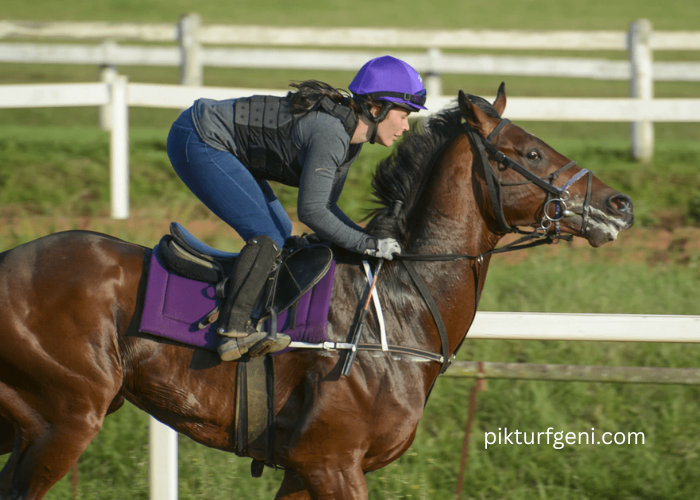
Training horses for turf racing requires a specialized approach that focuses on balance, stamina, adaptability, and precision. Unlike dirt tracks, turf surfaces are made of natural grass, which can vary in firmness and moisture. This makes preparation more technical, as horses must learn to handle different ground conditions while maintaining speed and control.
Understanding the Nature of Turf Tracks
Before training begins, it is important to understand how turf differs from other racing surfaces. Grass tracks are generally softer and can become slippery when wet. This means horses need better footing, coordination, and awareness. Trainers carefully observe how a horse responds to turf conditions such as firm, good, or soft ground. Some horses naturally perform better on grass, while others require more conditioning to adapt.
Building Stamina and Endurance
Turf races often demand greater endurance compared to sprint focused dirt races. Horses are trained to maintain a steady pace over longer distances while conserving energy for a strong finish. Long distance gallops are a key part of training. These sessions gradually build cardiovascular strength and improve the horse’s ability to sustain speed. Interval training, where periods of fast running are followed by recovery, is also used to enhance stamina.
Improving Balance and Footwork
Running on grass requires precise balance and coordination. Uneven or damp turf can challenge a horse’s stability, so trainers focus on improving foot placement and movement. Exercises on varied terrain help horses become more adaptable. Light training on grass surfaces allows them to get comfortable with the feel of turf. Over time, they learn to adjust their stride to maintain grip and efficiency.
Adapting to Track Conditions
Turf conditions can change depending on weather and maintenance, so adaptability is essential. Horses are exposed to different types of ground during training to prepare them for race day. For example, training on slightly softer ground helps build strength, while running on firmer jepturf improves speed. This variety ensures the horse can perform well under different conditions.
Strength and Conditioning
Strength training is an important part of preparing horses for turf racing. Strong muscles support better movement, reduce fatigue, and help prevent injuries. Hill work is commonly used to build muscle power and improve stride efficiency. Resistance exercises and controlled workouts also contribute to overall strength and conditioning.
Role of the Jockey
The jockey plays a crucial role in turf racing success. Training often includes coordination between the horse and jockey to develop trust and communication. Jockeys practice pacing strategies, positioning, and timing. Since turf races are often decided in the final stretch, knowing when to push the horse forward is critical.
Nutrition and Recovery
Proper nutrition supports the horse’s energy levels and recovery. A balanced diet rich in essential nutrients helps maintain muscle health and endurance. Recovery is equally important. Horses are given rest periods, along with therapies such as cooling, massage, and light exercise, to prevent overtraining and injuries.
Mental Preparation
Turf racing is not just physical but also mental. Horses need to stay calm and focused in competitive environments. Regular exposure to race like conditions, including crowds and other horses, helps build confidence. A well prepared horse is more likely to perform consistently under pressure.
Final Thoughts
Training horses for turf racing is a combination of science, skill, and patience. From building stamina and balance to adapting to changing track conditions, every aspect of training is carefully planned. With the right preparation, horses can perform at their best on turf, showcasing both speed and strategy in one of the most elegant forms of racing.