 By JESSICA DEABREU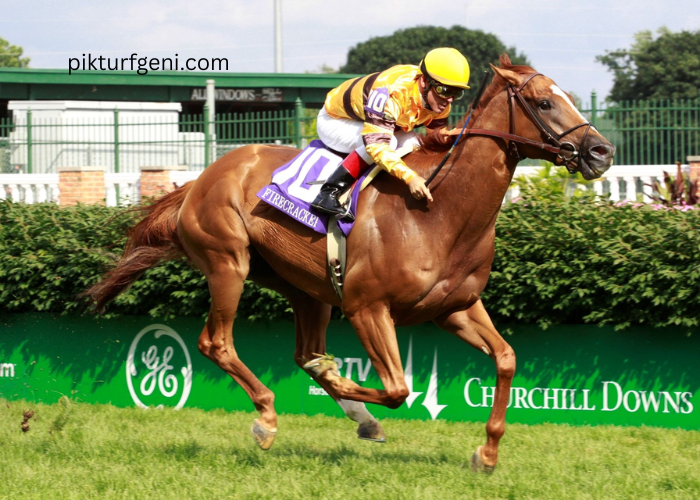
If you have ever stood trackside at a horse race, you know there is something almost magical about the sound of hooves thundering over lush green grass. It feels more natural and traditional than the dull thud of a dirt track. But if you talk to any trainer or seasoned bettor, they will tell you that the grass isn’t just there to look pretty. It is a living, breathing surface that changes every single day. The speed of a race can fluctuate wildly depending on how that grass was treated that morning.
A lot of people think turf racing is just about the quality of the horse, but honestly, the ground crew has just as much to say about who wins. The way a track is maintained dictates whether the surface is like a fast carpet or a slow, soggy sponge. It is a delicate science that involves a lot more than just a lawnmower.
The Secret Life of Grass Length
You might think that short grass always equals fast times, but it is actually a bit more complicated than that. When the ground crew keeps the blades at a specific height, they are trying to balance cushion and traction. If the grass is too long, it creates a lot of drag. Imagine trying to run through high weeds in a park versus a golf green. The horse has to work much harder to lift its feet, which naturally slows down the overall time of the race.
On the flip side, if the grass is cut too short, the roots might not hold the soil together well enough. This makes the surface unstable. When a thousand pound animal pivots at thirty miles per hour, they need that root system to hold firm. Groundkeepers usually aim for that sweet spot where the horse can glide over the top without sinking in, but also without slipping. It is a constant battle against nature to keep that perfect “firm” rating.
Dealing with the Moisture Factor
Water is probably the biggest enemy and the best friend of a track manager. The drainage system under a turf course in lebosse du turf is a marvel of engineering, or at least it should be. If the maintenance team gets the irrigation wrong, the speed of the race goes right out the window. Too much water and the track becomes “heavy” or “soft.” You’ll see the horses’ hooves sinking deep into the mud, and the kickback of clods of grass can actually blind the jockeys following behind.
Maintaining the moisture levels is a twenty four hour job. They use things like moisture probes to make sure the soil isn’t too packed or too loose. When a track is maintained perfectly, it allows for a “good to firm” rating, which is where you see those blistering record breaking times. If the maintenance crew misses a drainage clog or miscalculates a rainstorm, the entire day’s strategy for the trainers has to change.
The Role of Aeration and Soil Density
Every so often, you might see a machine on the track that looks like it is poking holes in the ground. This is called aeration, and it is vital for racing speed. Over time, the heavy weight of the horses packs the soil down until it is as hard as concrete. Hard ground is fast, sure, but it is also dangerous for the horses’ legs. A track that is too hard can lead to injuries because there is no “give.”
Maintenance crews have to find a way to keep the soil bouncy. By aerating the turf, they allow air and water to reach the roots and keep the ground resilient. A well aerated track provides what we call “bounce.” When the horse hits the ground, the turf pushes back slightly, helping the stride. This elastic effect can actually improve speed while keeping the animal safe. It’s all about creating a surface that is firm enough for speed but soft enough for safety.
Moving the Rails for Fresh Ground
One of the coolest tricks in track maintenance is moving the inner rails. Since horses usually want to stay as close to the inside as possible to save distance, that part of the grass gets chewed up very quickly. By the third or fourth race, the inside path can look like a ploughed field. To fix this, the crew will literally move the rail outward by several feet for the next set of races.
This gives the horses a fresh, untouched strip of grass to run on. If you ever notice the times getting faster later in the day, it might be because the rail was moved to a fresh patch of turf that hasn’t been trampled yet. It ensures that the speed of the race stays consistent throughout the event, rather than getting slower and slower as the ground gets destroyed.
Why the Human Touch Matters
Despite all the fancy machines, at the end of the day, it comes down to a person walking the track with a stick or their own boots. Experienced track managers can feel the “cushion” just by stepping on it. They make the final call on whether to water more or skip a mowing session. This human intuition is what truly keeps the races fair.
We often focus on the jockeys and the pedigrees, but the unsung heroes are the ones out there at five in the morning checking the soil. Their work determines if the race will be a tactical, slow crawl or a high speed sprint to the finish line. Without their constant care, turf racing would be a lot more unpredictable and a lot less safe.
A Final Word on the Turf
Next time you are watching a race on the grass, take a look at the color and the texture of the ground. It is easy to forget that the surface is just as important as the athletes running on it. The speed is a direct result of how well that grass was loved and cared for in the days leading up to the gate opening. It is a beautiful partnership between nature and maintenance, and when it’s done right, there is nothing faster or more exciting in the world of sports.