 By JESSICA DEABREU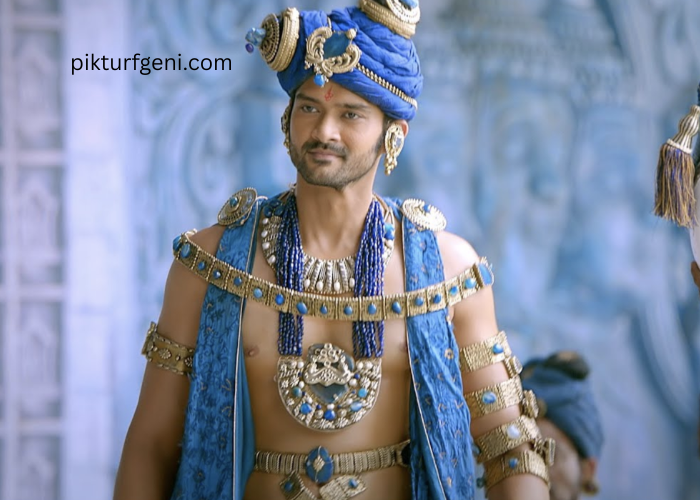
Growing up in an Indian household, the evening television ritual was almost sacred. I remember the entire family huddled around the small screen, eyes glued to the latest drama or mythological epic. Back then, the sets were often just painted cardboard and the special effects were, well, let’s just say they required a bit of imagination. But times have certainly changed. Over the last decade or so, Indian television has gone through a massive transformation.
Producers aren’t just making daily soaps anymore; they are creating cinematic experiences that rival big budget movies. We are talking about massive sets, international locations, and visual effects that actually look believable. It is quite fascinating to see how much money is being poured into these projects. If you have ever wondered just how much it costs to bring those grand palaces and epic battles to your living room, you’ll be surprised at the numbers.
The Massive Scale of Porus
When it comes to sheer scale, nothing quite touches the show Porus. It aired on Sony TV and completely redefined what people thought was possible on a television budget. Reports suggest that the total cost for this historical drama was somewhere around 500 crore rupees. To put that in perspective, that’s more than the budget of many massive Bollywood blockbusters like Baahubali.
The creator, Siddharth Kumar Tewary, really went all out. They built a massive set in Gujarat that spread across acres of land to recreate the ancient kingdoms of India and Macedonia. The attention to detail was incredible. They even filmed portions in Thailand to get those authentic waterfront scenes. Every time I saw the golden palaces or the intricate costumes, I couldn’t help but think about the sheer amount of work and money that went into every single frame. It was a risky move, but it definitely set a new benchmark for the industry.
Mahabharat and the 100 Crore Milestone
Before Porus came along, the 2013 version of Mahabharat on Star Plus was the talk of the town. This was the first time we saw a mythological show with high end VFX that didn’t look like a video game from the nineties. The budget for this one was reportedly around 100 crore rupees, with an extra 20 crore spent just on marketing.
I remember when the promos first started airing. They looked so grand and polished that people were genuinely shocked it was for a TV serial. The production team spent years on pre production alone, designing weapons and jewelry that felt authentic to the era. They shot in beautiful locations across India, from the mountains of Kashmir to the deserts of Gujarat. It wasn’t just a retelling of a story we all knew; it was a visual spectacle that made the younger generation sit up and take notice.
Siya Ke Ram and Cinematic Storytelling
Following the success of Mahabharat, Siya Ke Ram in www.kaduva.com serial took things a step further by focusing on the story from Sita’s perspective. This show was also a heavy hitter in terms of cost. While the exact final figure is often debated, it is widely considered one of the most expensive ventures for Star Plus. They used massive sets and high quality lighting to give it a very soft, film like quality.
What really added to the cost was the extensive travel and the sheer number of outdoor shoots. Unlike older shows that were shot entirely on soundstages, this team traveled to various parts of the country to find the right backdrop for the forests and kingdoms. The jewelry and clothing were specially designed, often using real fabrics and heavy embroidery that cost a fortune. It’s that level of dedication that makes the show still look great even if you watch it today.
Shrimad Ramayan and Modern Budgets
More recently, we have seen shows like Shrimad Ramayan on Sony SAB continuing this trend of high spending. Even though it started in 2024, the production quality feels very much like a 2026 production. With the advancement in technology, the cost of top tier CGI has gone up, but so has the expectation of the audience.
Producers now have to compete with international streaming platforms, so they can’t afford to cut corners. This show uses advanced virtual production techniques, similar to what you see in Hollywood. While it might not have the 500 crore tag of Porus, the per episode cost is incredibly high. They invest heavily in the actors and the visual polish to ensure that it stands out in a crowded market. It’s clear that the “grand epic” genre is where the big money is staying for the foreseeable future.
Why These Budgets Keep Climbing
You might wonder why anyone would spend so much on a TV show. The answer is pretty simple: the audience has changed. We aren’t just watching TV on a grainy box anymore; we are watching on 4K screens and tablets. If the quality isn’t there, people will just switch to a movie on a streaming app.
Also, these big budget shows have a long shelf life. They get dubbed into multiple languages and sold to international markets. A show like Porus or Mahabharat gets watched in dozens of countries, which helps the producers make their money back over time. It’s a huge gamble, but when it works, it creates a legacy that lasts for years.
The Future of Indian TV
Looking at these shows, it’s obvious that the line between television and cinema is getting thinner every day. We’ve moved far away from the days of simple sets and dramatic zoom ins on actors’ faces. Today, it’s all about world building.
I think we’ll see even more expensive shows in the coming years, especially as technology like AI and better motion capture becomes standard in TV production. It’s an exciting time to be a viewer. Even if you aren’t a fan of every story, you have to respect the craftsmanship and the massive investment that goes into bringing these grand visions to life. It’s not just entertainment anymore; it’s a show of strength for the Indian media industry.