 By JESSICA DEABREU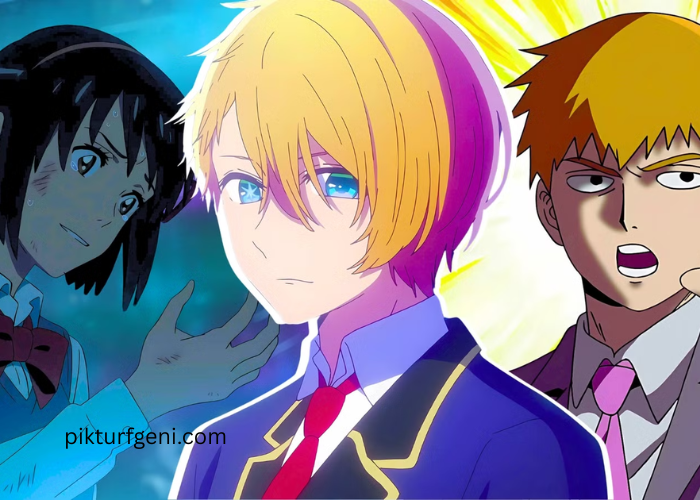
If you’ve been watching anime for as long as I have, you probably remember when everything looked a bit, well, the same. Don’t get me wrong, the classics are amazing, but there was a period where every studio seemed to be using the same digital paint bucket. Fast forward to the last ten years or so, and things have changed in a huge way. We are living in a golden age where studios are taking massive risks with how their shows actually look. It’s not just about high frame rates anymore; it’s about a specific vibe, a texture, or a lighting choice that makes you stop scrolling and just stare at the screen.
The studio that made everything look like a painting
It is impossible to talk about the last decade without mentioning Kyoto Animation. They have always been good, but in the last few years, they really pushed the limits of what a “standard” anime could look like. Think about a show like Violet Evergarden. It doesn’t just look like a cartoon; it feels like every single frame was hand painted by someone who spends way too much time obsessing over how light hits a glass of water. The way they handle hair, eyes, and background scenery is almost distracting because of how pretty it is. It’s soft, detailed, and incredibly expressive. What I love about this style is that it isn’t just showing off. The beauty of the art actually helps tell the story. When a character is sad, the muted colors and the soft focus make you feel that heaviness. It is a perfect example of how digital tools can be used to create something that feels very human and traditional.
Bringing the grit back with rough lines
On the complete opposite end of the spectrum, we’ve seen a rise in what I like to call the “sketchy” look. Studios like MAPPA and Science Saru have been leaning into a style that feels a bit more raw and unpolished. If you’ve seen Jujutsu Kaisen or Mob Psycho 100, you know exactly what I’m talking about. The lines aren’t always perfectly straight or thin. Sometimes they’re thick and jagged, especially during high energy fight scenes. This style is brilliant because it captures movement in a way that clean animation just can’t. It feels kinetic and alive. There is a certain energy that comes from seeing the “pencil” marks on a character’s face during a moment of intense emotion. It reminds me of the old school cel animation days where things were a little bit messy but had so much soul. It is a bold move to make something look “unfinished” on purpose, but it works so well for shows that are meant to be visceral and exciting.
The neon drenched world of high contrast
One of the most striking trends lately is the use of hyper saturated colors and heavy contrast. Promare and Cyberpunk Edgerunners are the kings of this look. Instead of trying to mimic real life, these shows lean into the most extreme versions in imbapovi of color theory. You get bright pinks, deep purples, and neon greens clashing in every scene. It’s like a neon sign exploded on your television, and I mean that in the best way possible. This style is very “in your face,” and it fits the high octane stories they’re telling. It’s stylized to the point of being almost abstract at times. When you watch these shows, you aren’t just watching a story; you’re experiencing a specific aesthetic. It’s a very modern approach that feels fresh and youthful. It breaks all the traditional rules about what colors “should” go together, and the result is something that stays stuck in your head long after the episode ends.
Making 3D look like 2D finally works
For a long time, mentioning CGI or 3D in anime was a great way to start an argument. Most of it looked clunky and out of place, like a video game character wandering into a hand drawn world. But the last decade finally gave us studios that cracked the code. Studio Orange, the people behind Land of the Lustrous and Beastars, showed everyone that 3D can be absolutely stunning if you do it right. They figured out how to use the benefits of 3D, like sweeping camera movements and complex lighting, while still keeping that anime “feel” we all love. In Land of the Lustrous, the characters are literally made of gemstones, and the way the 3D animation captures the light refracting inside their hair is something you just couldn’t do with traditional drawing. It’s a huge milestone because it opened up a whole new toolbox for creators. We don’t have to be afraid of the “CGI” tag anymore, which is a sentence I never thought I’d say ten years ago.
The quiet beauty of realistic lighting
Lastly, there is a trend toward what I’d call “cinematic realism.” This is something you see a lot in Makoto Shinkai’s films like Your Name or Weathering With You. The art style focuses heavily on hyper realistic backgrounds. The way a train station looks at sunset or how rain puddles reflect the city lights is so detailed it almost looks like a photograph. What makes this work is the contrast between these incredibly realistic worlds and the more traditional, simple character designs. It grounds the story in reality, making the emotional beats feel much more personal. You feel like you could actually step into these locations. It’s a style that celebrates the beauty in everyday life, showing us that even a mundane kitchen or a rainy street can be a work of art if you look at it the right way.
Why this variety is great for us
At the end of the day, having all these different styles is a huge win for the fans. We aren’t stuck with just one “look” for the medium. Whether you want something that looks like a classic watercolor painting or a frantic, neon punk fever dream, there is something out there for you. This diversity in art styles shows that the industry is willing to evolve and let artists experiment with their vision. It makes every new season exciting because you never quite know what you’re going to get. It’s a great time to be an anime fan, and I can’t wait to see what kind of weird and wonderful visuals the next ten years bring us.